
Who the Montgomery County District Clerk Is
Melisa Miller serves as the Montgomery County District Clerk. The office keeps district court records. Case files and filings move through the county's district courts. Then they come to rest here. Each case gets a number. Each case gets a docket. The clerk holds and protects that record.
So what kinds of cases does the District Clerk keep? The list is broad but specific. This office is the custodian for felony criminal cases, civil suits, family matters, divorce, and some juvenile matters. These are the heavier, higher-stakes cases in the county court system. A felony charge, a lawsuit over money or property, a custody fight, a divorce decree: all of these run through the district courts and become District Clerk records.
The clerk's job is more than storage. Staff accept new filings. They stamp documents and set up case numbers. They send out notices. They pull files when the public asks. They also manage jury service and process e-filed documents. The clerk does not decide cases. The clerk does not give advice. That work belongs to the judges and the lawyers. The clerk keeps the record straight and open where the law allows.
The Montgomery County Split Clerk System and Its Records
Texas uses two clerks, not one. Montgomery County follows that split. The District Clerk keeps district court records. A separate office, the County Clerk, keeps a different set. The County Clerk is L. Brandon Steinmann, and that office handles county court at law cases, probate, vital records like marriage and death, and recorded public records such as deeds. Two offices, two sets of files.
Why does this matter for your search? Because the wrong office means a wrong answer. If you look for a felony case at the County Clerk, you find nothing. If you look for a probate estate at the District Clerk, same result. The split is not random. It tracks the level of the court that heard the case.
Here is the simple rule. Felony, major civil, family, and divorce cases are District Clerk records. Misdemeanor, probate, and county civil cases are County Clerk records. Deeds and marriage licenses sit with the County Clerk too. Did a search come back empty? Switch offices and try again. For the full picture of how the two clerks divide the work, the Montgomery County court records page lays out both sides.
Montgomery County District Clerk Services and Records Tools
The District Clerk page links a wide set of services. Each one points to a task people need done. Some help you file. Some help you search. Some handle money or jury duty. Together they cover most of what a person needs from the office.
The main tools are grouped below. Most are reached through the official District Clerk department page, and many open their own portal or form.
- Jury: report-for-duty info and juror tools.
- Case Search: the district court record lookup.
- Passports: passport application acceptance.
- Forms: court forms and filing packets.
- E-Filing: electronic submission of documents.
- New Suits and Central Intake: starting a new case.
- Title IV-D: child support case handling.
- Records and Research: copies and file requests.
- Finance: payments and account matters.
- Local Rules: the rules each court follows.
The office also points people to self-help resources. That includes protective order forms and links to local rules, forms, and standing orders. These help a person who has no lawyer find the right paper to file. Still, the clerk gives forms and steps, not legal advice. You can read more about the office on the official Montgomery County District Clerk page.
How to Search Montgomery County District Clerk Records
District case search runs through the District Clerk Odyssey system. Odyssey is the public access tool that shows district court cases online. You pick a location first, then search by name or case number. The screens are free to use, though some details depend on what the case allows.
The landing page gives you a few choices. Pick Criminal Records for felony cases. Pick Civil and Family Case Records for lawsuits, divorce, and custody. Pick Court Calendar for dockets and hearing dates. Start the search on the official District Clerk Odyssey portal. If a name is common, add a date range to cut down the list.
Read the results with care. The portal shows case numbers, parties, filing dates, and docket entries. It is great for finding a case. It is not a certified record on its own. For a deeper look at the search screens and result fields, see the court records page. For hearing dates and settings, the Montgomery County court dockets page covers the calendar side.
A "no record found" message does not always mean no case exists. The case may belong to the County Clerk. The spelling may be off. The file may be sealed or too old to sit in the online index. When that happens, check the other clerk or contact the office directly.
How to Request a Certified Copy From the Montgomery County District Clerk
A certified copy is the official version of a court document. It carries the clerk's seal. It states that the copy is true. Courts and agencies want a certified copy, not a printout. You get one from the District Clerk when the file is a district court record.
The steps below show the basic path. The online portal helps you find the case first. The certified copy itself comes from the clerk's Records and Research area.
- Find the case number. Use the District Clerk Odyssey search to confirm the case and the party names.
- Contact Records and Research. Reach the District Clerk's records area by phone, mail, or in person.
- Specify the document. Name the exact paper you need, such as a final divorce decree or a judgment, with the filing date.
- Pay the fee. The clerk sets the copy and certification fee; confirm the amount before you order.
- Receive the certified copy. The clerk issues the document with the official seal and certification.
A clear request moves faster. Give the case number, the parties, the court, and the document type. A broad ask, like "everything" on a person, often draws delay or a cost estimate. Texas law also redacts items like Social Security numbers, so a released copy may arrive with parts blacked out.
Montgomery County District Clerk
301 N. Main Street, Suite 103
Conroe, TX 77301
936-539-7855
Melisa Miller, District Clerk
Montgomery County District Clerk Fees and Copies
Not every copy is the same. A plain copy is a simple printout with no seal. A certified copy adds the clerk's seal and certification, which is why it costs more. Records search or research can apply when staff must pull an older or offline file. The work and the proof drive the price.
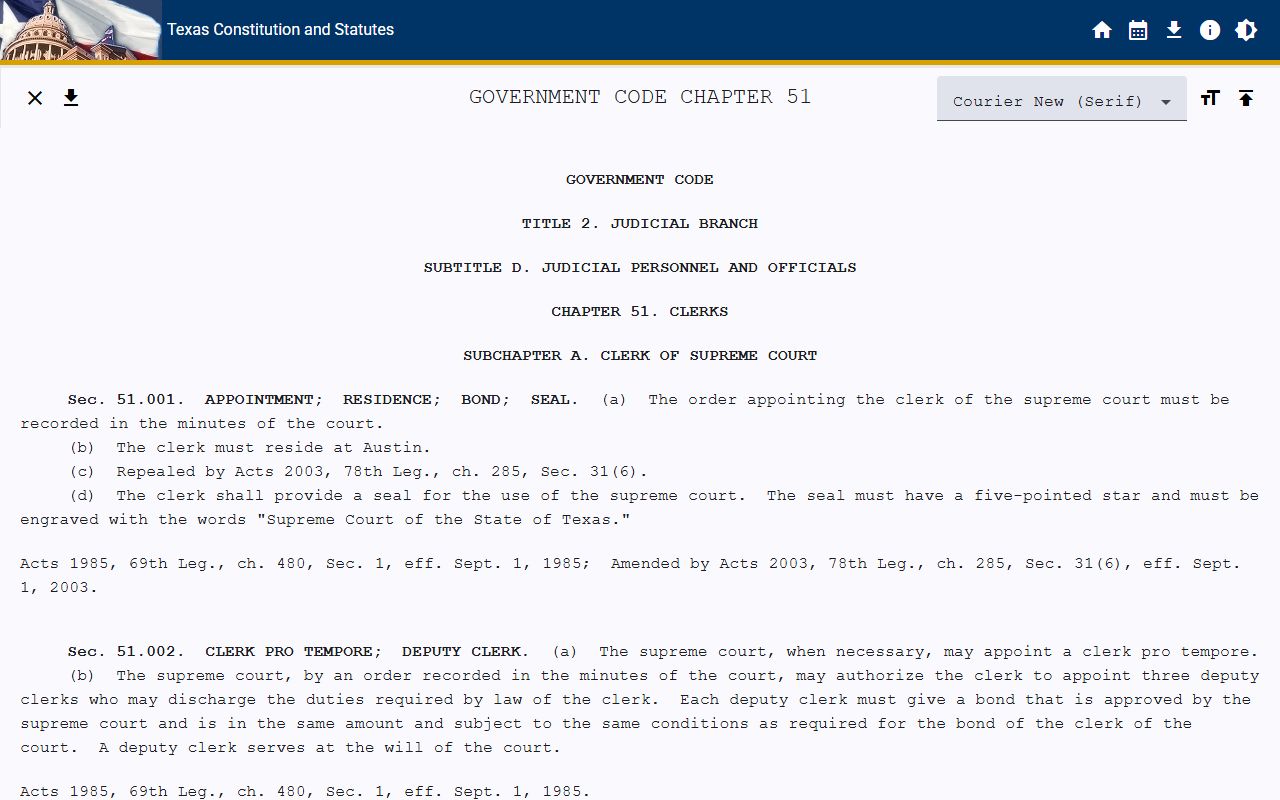
Fee amounts change, and they are set by the office and by law. We do not list dollar figures here. Confirm the current amount with the District Clerk before you pay. Clerk record and fee duties come from Texas Government Code Chapter 51, which frames how court clerks manage records and charge for them.
The table below lists common items and where to confirm the cost. Use it as a guide, not a price sheet.
| Item | Where to Confirm the Amount |
|---|---|
| Plain copy | District Clerk / Records and Research |
| Certified copy | District Clerk / Records and Research |
| Certification fee | District Clerk / Records and Research |
| Records search / research | District Clerk / Records and Research |
Note: A screenshot of an online docket is not a certified copy and should not be used for a legal purpose.
Montgomery County District Clerk Records Request Fields
A good request gives the clerk what they need to find and release the file. The fields below show what to include. The more you give, the faster the office can act. Some fields are required; others just help.
| Field | Type | Required | Notes |
|---|---|---|---|
| Case number | Text | Strongly preferred | The clerk's case ID; find it through Odyssey search. |
| Party names | Text | Yes | Full names of the parties in the case. |
| Document type | Text | Yes | Name the exact paper, such as a decree or judgment. |
| Requester ID | ID | For pickup | Photo ID when you request or pick up in person. |
| Fee payment | Payment | Yes | Copy and certification fee set by the clerk. |
If you do not have the case number, the party names and a filing year can help staff search. Still, a case number is the cleanest way to point at one file. Confirm the fee before the clerk pulls the record so there is no surprise at pickup.
Why the Montgomery County District Clerk Cannot Give Legal Advice
The clerk keeps records. The clerk does not practice law. Under Texas Government Code Section 81.101, clerks may not engage in the unauthorized practice of law or give legal advice. That line protects you and the office both.
So what can the clerk do? Plenty. Staff can hand you forms, explain how to file, tell you the fee, and point you to the right portal. They can confirm a case number or a filing date. They can show you where the self-help forms live.
What can they not do? They cannot tell you what to file, what claim to bring, or how to argue your case. They cannot read an order and tell you what it means for you. For that, you need a lawyer. If you have no lawyer, the office links self-help resources and protective order forms, but those are tools, not advice. When the matter is a divorce or family case, the marriage and divorce records page explains how those district files work.
Statewide Criminal History Versus Montgomery County Court Records
People often mix up two things. A local court file is not the same as a statewide criminal history. The District Clerk holds the felony court record for cases filed in Montgomery County. The state holds a separate database. That state file pulls from many counties.
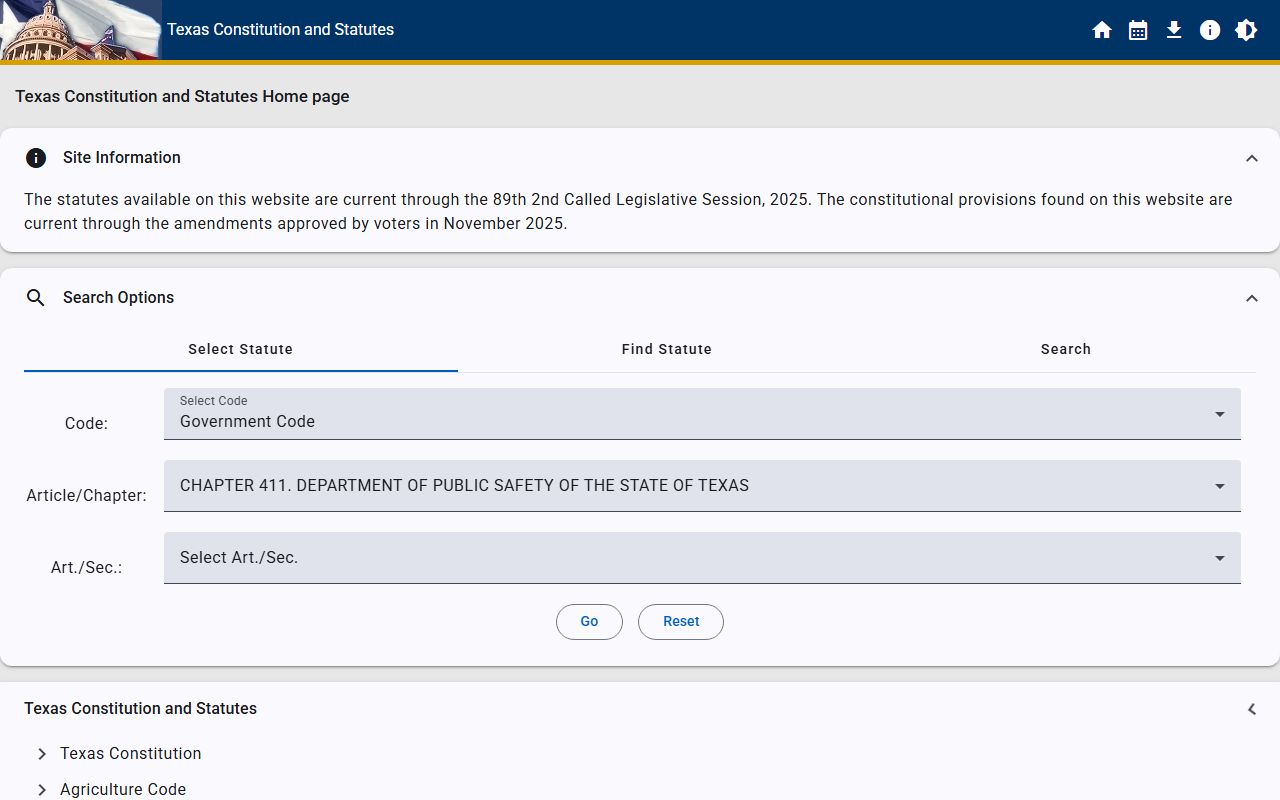
That statewide data lives with the Texas Department of Public Safety. It is governed by Texas Government Code Chapter 411, which sets the rules for criminal history record information held by DPS. A DPS search can show charges from across the state. A District Clerk search shows the actual case file for one Montgomery County matter. They serve different needs.
There is one more link worth knowing. The District Attorney prosecutes felony cases, and the DA posts case updates in its press releases. Those felony cases the DA prosecutes become District Clerk records once they are filed in the district courts. So a story in a DA release often points back to a file you can search here.
The DA's news page tracks recent prosecutions and case outcomes.

You can read the latest updates on the DA press releases page. For the criminal side beyond the court file, the arrest records page covers booking and law enforcement records.